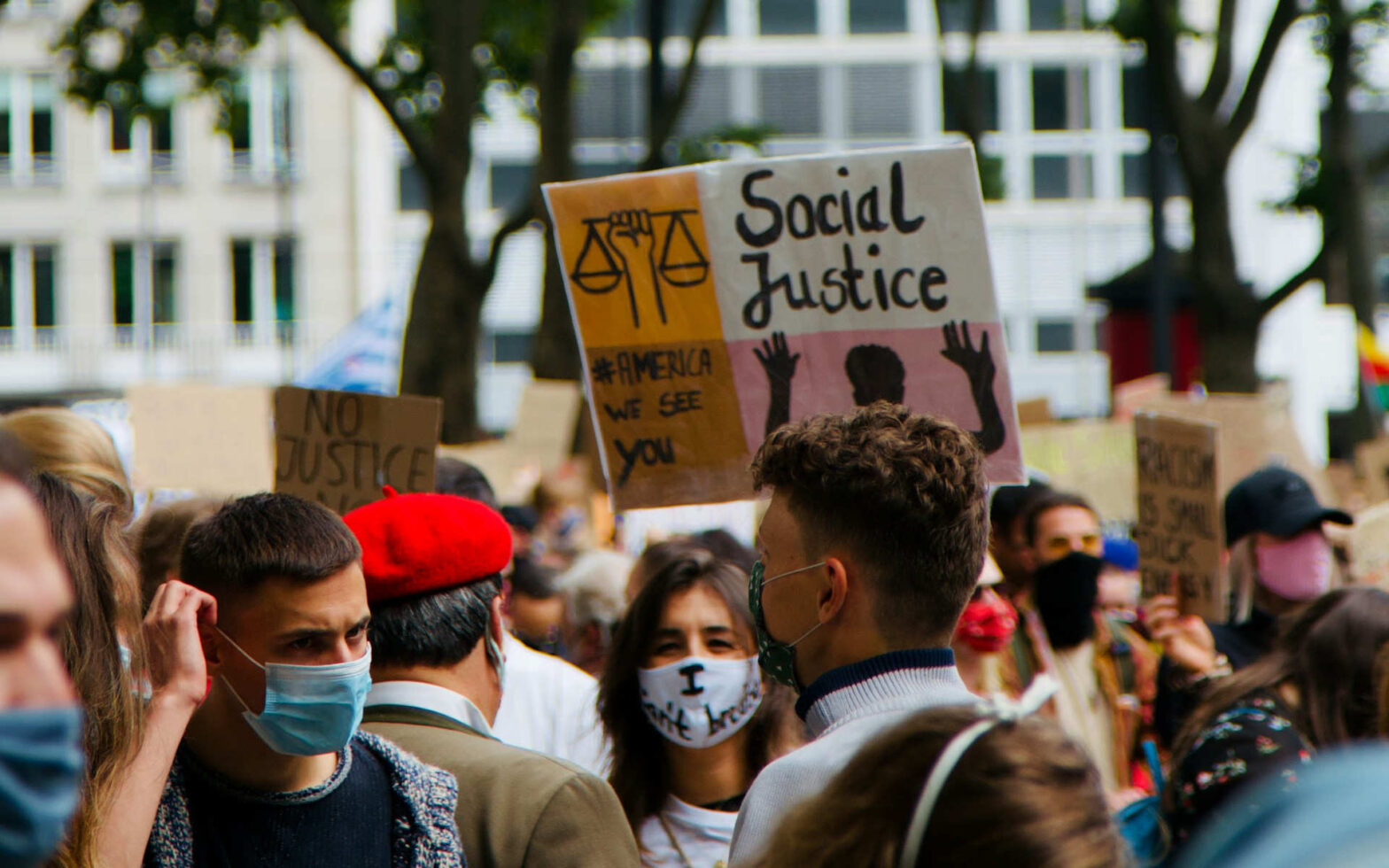
February 23rd is UN World Social Justice Day.
“The objective of creating a fair and equal society in which each individual matters, their rights are recognized and protected, and decisions are made in ways that are fair and honest.” (Oxford Reference)
This sentiment is present in how people live and in many social movements. We can all articulate it, and we know what it means. It has been the backbone of many movements. But it is in the translation and implementation that social justice initiatives live or die.
The movement to bring people with disabilities out of institutions was successful. People moved back into their localities. But there were differences in where they lived. Some just moved into smaller institutions and others had their own individualised homes. I helped in some of this. But now larger institutions have re-opened, especially for people with complex behaviours, the group I used to work for. I left that world in 2012 and yesterday I met (by chance) a mother whose son had complex needs. She told me she is still fighting for better services for her son. Why haven’t we learned?
Social justice movements, at any level, from the struggle for the end of Apartheid to Black Lives Matter to #MeToo can start and flourish quickly. But their existence does not guarantee that the intentions will become embedded in the fabric of people’s lives and society’s. What is it, in ourselves as humans and members of the world, that prevents us from continuously embracing the core fundamentals of social justice? Is it our own selfishness and need for power? Is it we cannot embrace our own faults that block us from living for the greater good? What would happen if we kept the spirit of social justice every time it emerges? Made it part of our daily life and work. How selfless and inclusive for justice for all could we be?